Gallery
Pinhole Photography Gallery: Slow Light, Long Exposure and How to Read It
A pinhole photography gallery: why pinhole photos look soft and dark-edged, how long exposure shapes them, solargraphs, and places from coasts to cities.
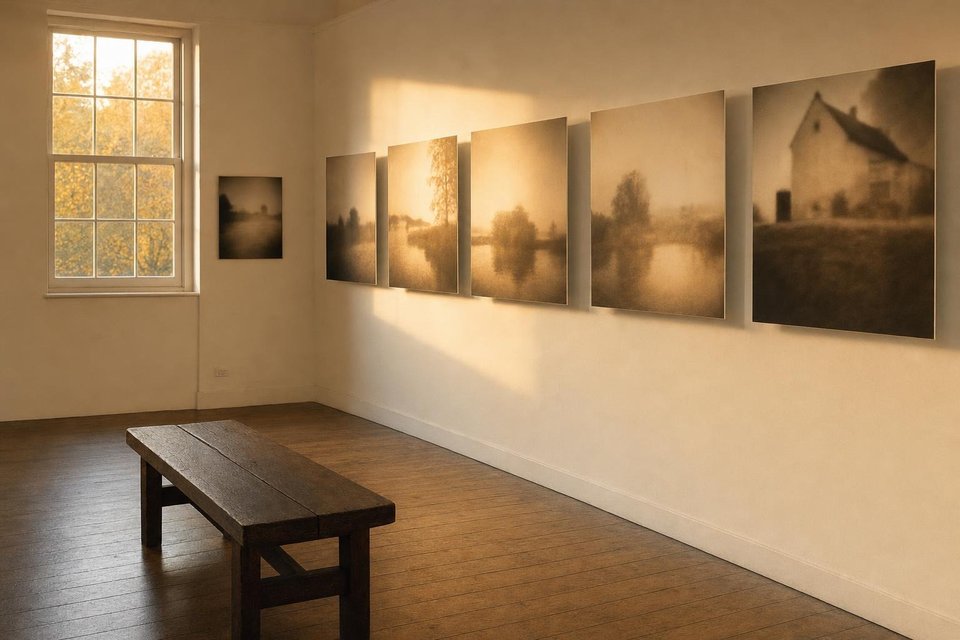
On the wall
The Pinholista Gallery
Soft light, long exposures and the places the guides lead to. Select any picture to see it large.
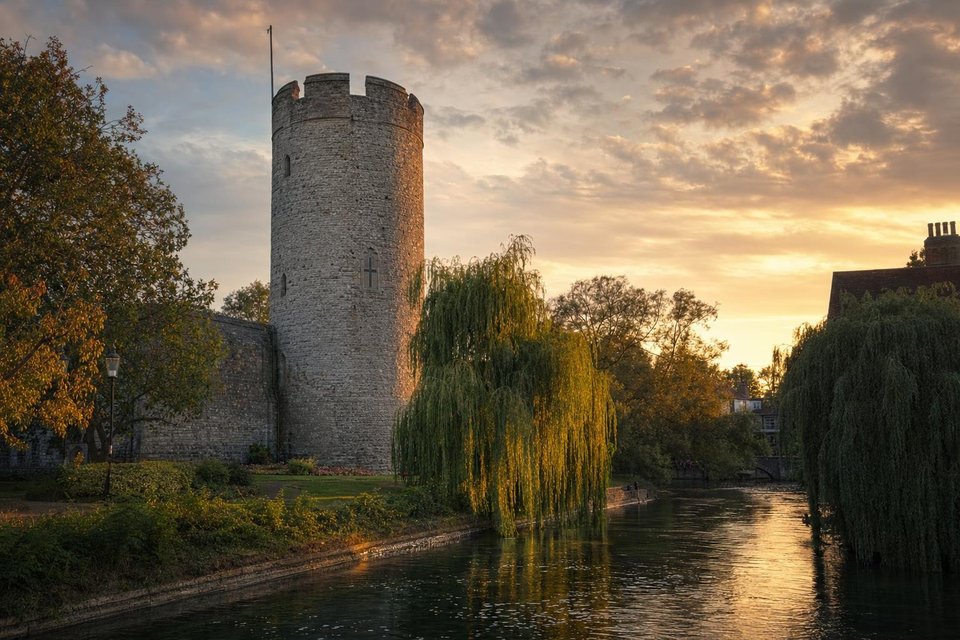
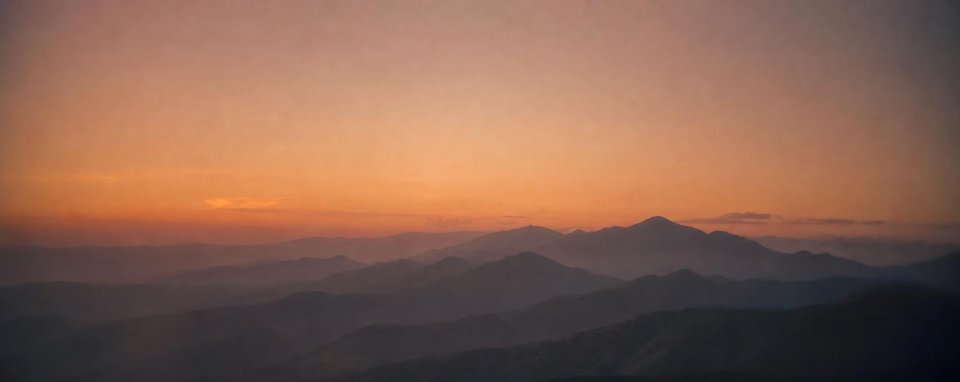
Pinhole photographs are easy to recognise and surprisingly hard to describe. They look soft without looking out of focus, they darken towards the corners, and they often show the world with its moving parts removed or smeared into shadows. The pages collected below take that look to real places: a medieval city on a river, a coast of reefs and piers, wooded valleys full of waterfalls, a volcano lake, and a few cities where pinhole photographers have met.
Before the places, a little on what is actually going on in a pinhole picture. Knowing why it looks the way it does makes it far easier to look at one properly, and easier to make one that works.
What makes a pinhole photo look like one
Four things give pinhole images their character, and almost every picture in this gallery shows at least three of them at once.
| Quality | Where it comes from | How it shows |
|---|---|---|
| Even softness | No lens; each point becomes a tiny disc | Near and far objects equally soft, no focal plane |
| Dark corners | Light reaches the edges further away and at a slant | Natural vignette, strongest in short wide cameras |
| Motion blur | Exposures of seconds to hours | Water turns smooth, people ghost or vanish |
| Huge depth | Very small aperture, around f/150 to f/300 | Objects a few centimetres from the camera share the frame with the horizon |
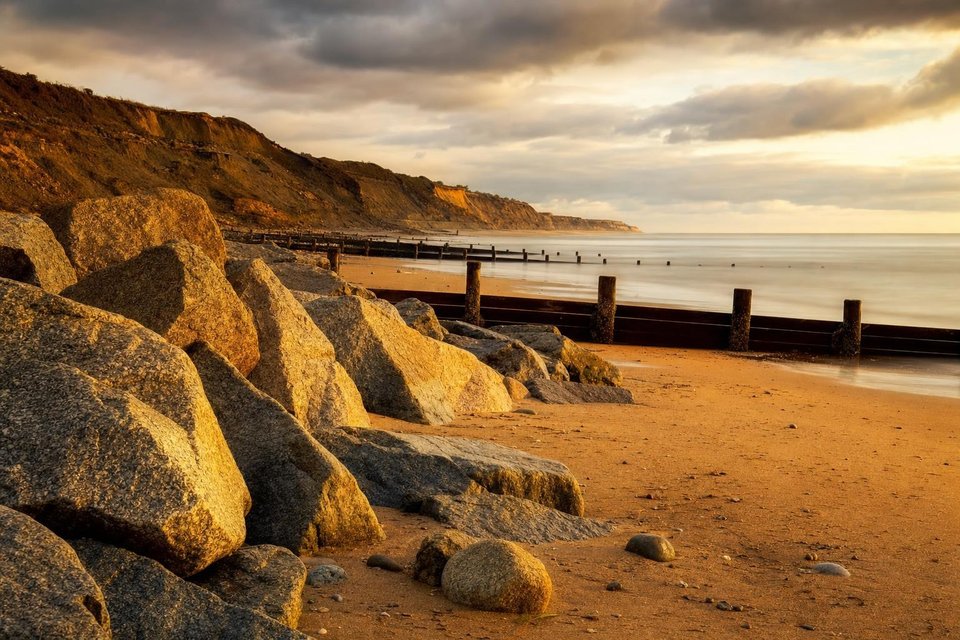
The softness is the part most people notice first, and it is often mistaken for a fault. A good pinhole picture is not trying to be sharp. It flattens fine detail and leaves shape, tone and light, which is why strong simple subjects such as a lone tower, a groyne on a beach or a waterfall tend to work best. The dark corners do the rest of the composing, pulling the eye towards the centre of the frame.
Time in the picture
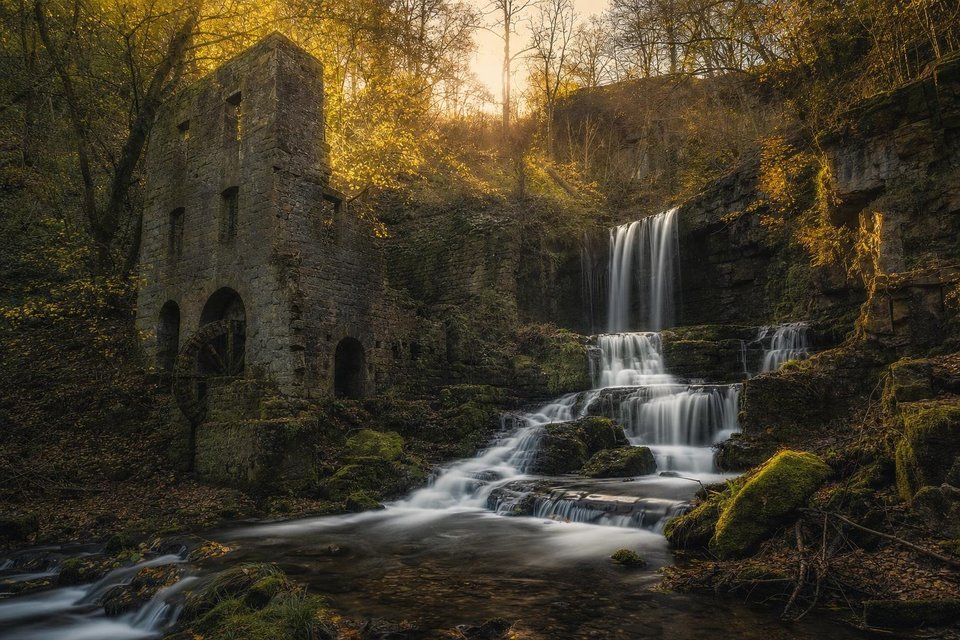
Long exposure is what separates pinhole pictures from almost every other kind of photograph. At apertures around f/192, even a bright day needs a good fraction of a second, and indoors or under trees the times run to minutes. Anything that moves during that time is recorded as a blur or not at all. A busy square empties, a river turns to glass and clouds drag across the sky in soft streaks.
At the far end of the scale sits the solargraph. A can or tube with a pinhole and a sheet of photographic paper is fixed to a post and left for weeks or months. Each clear day the sun burns an arc across the paper, and over a season the arcs pile up into a band showing how its path rises and falls. The approach became widely known through the Solaris project, which began in Poland in 2000.
How to look at a pinhole print
Pinhole prints reward a slower kind of looking than most photographs. A few habits help:
- Step back first. Soft images often read better from a distance, where shape and tone take over from detail.
- Look for what is missing. Empty streets and smooth water show what moved during the exposure.
- Follow the light from the centre outwards, and notice where the vignette steers the eye.
- Read the caption for the exposure time. Knowing a picture took four minutes changes how it feels.
Film, paper and colour
The material behind the pinhole changes the picture as much as the camera does. Black and white film is the classic choice, and slow films such as Ilford FP4 Plus give smooth tones that suit the soft drawing of a pinhole. Colour negative film handles the long exposures more gracefully than slide film, which tends to shift in colour as times stretch, although that shift is part of the charm for some photographers.
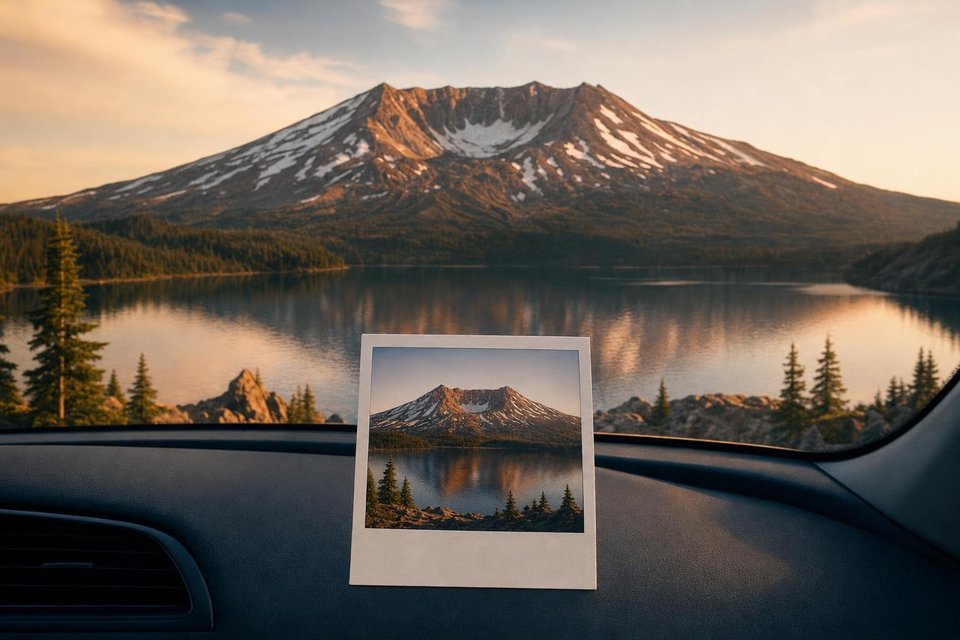
Photographic paper used as a negative is the cheapest material of all. At an effective speed of only a few ISO it pushes exposures out to minutes, which suits still subjects and makes moving water disappear entirely. Paper is mostly sensitive to blue light, so skies print pale and foliage dark, a look closer to nineteenth-century photographs than to modern film. Instant film sits at the other extreme, fast and immediate, with a small print that has to carry the picture without any enlarging. Each of these materials suits some places better than others: paper for still streets and slow rivers, colour negative for coasts and autumn woods, instant film for a road trip where the result is wanted before the light changes.
Themes in the gallery
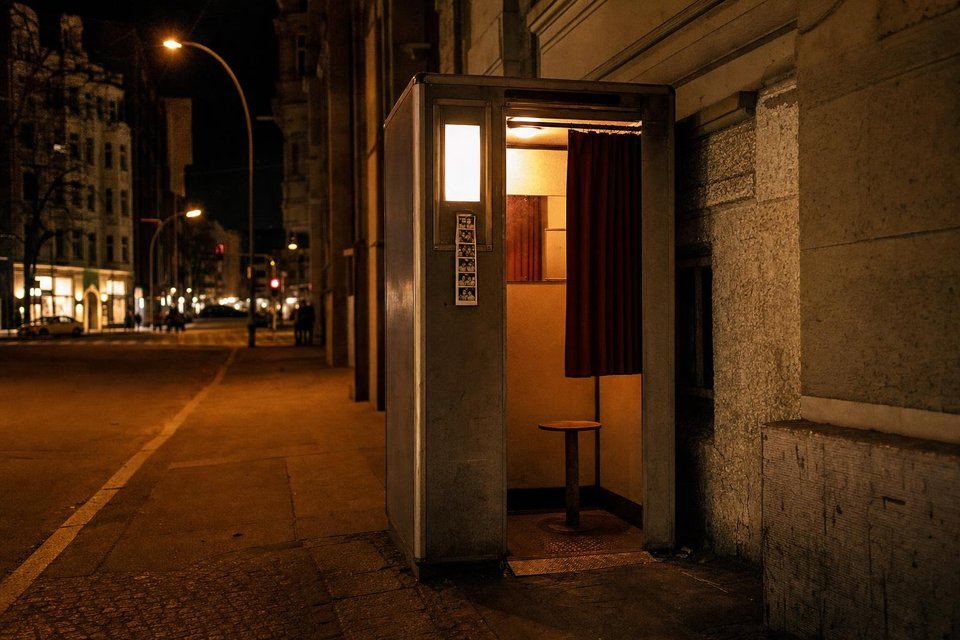
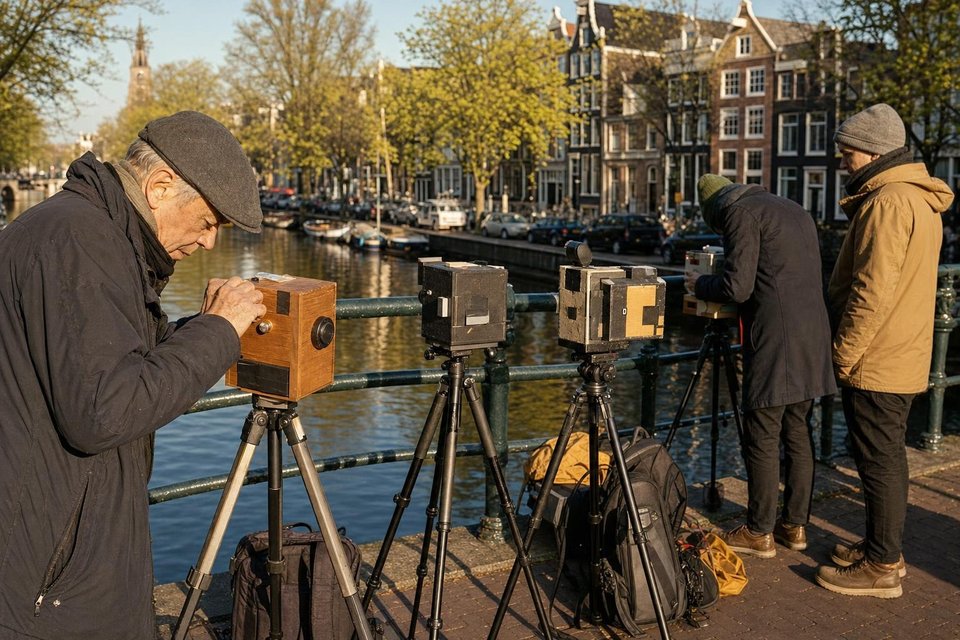
The pages below are grouped loosely by subject. Coasts and water come first: the reefs at Sea Palling and the pier at Cromer, and waterfalls from Derbyshire to Angus, where long exposure does its most obvious work. Cities follow, with a walk around the medieval centre of Norwich, the photo booths and riverbanks of Berlin, and a rainy pinhole day through Amsterdam. Woods and quiet roads appear in the instant film prints made on the way to a lake below Mount St Helens.
Portraits are the hardest subject of all for a pinhole camera, because the sitter has to stay still for seconds at a time, and the notes on pinhole portraits explain why. For the technical side of every picture here, the pinhole camera guide covers how the camera works, and the Zero Image exposure guides show how to calculate times. How pinhole cameras are made, from matchboxes to printed bodies, and the processes behind distinctive pinhole work are covered on the makers page.
All gallery
Frequently Asked Questions
Why are pinhole photos soft rather than sharp?
A pinhole does not focus light the way a lens does. Each point of the scene is recorded as a tiny disc rather than a point, and diffraction at the edge of the hole spreads the light a little further. The result is an image that is evenly soft from the nearest object to the horizon, with no single plane of sharp focus and no blurred background in the usual sense.
Why are the corners of pinhole pictures darker?
Light reaching the edges of the film travels further from the pinhole and arrives at a steeper angle, so less of it lands on each part of the film. The effect grows quickly as the angle widens, which is why short, wide pinhole cameras show stronger dark corners than long, narrow ones. Many photographers like the effect, since it draws the eye towards the middle of the frame.
What is a solargraph?
A solargraph is a pinhole picture exposed for weeks or months, usually on photographic paper inside a simple can or tube fixed outdoors. The sun burns a bright arc across the paper each clear day, and over a season those arcs stack up into a band that traces its changing height. The paper is then scanned without developing, since normal processing would wipe out the faint image.
Can pinhole photographs be made with a digital camera?
Yes. A pinhole body cap fitted to a mirrorless or DSLR body turns it into a pinhole camera with an instant preview. The look differs from film, with dust on the sensor showing clearly at small apertures, but the softness, the depth and the long exposures are the same. Digital is a cheap way to learn exposure before loading film or paper.